
In a world that often feels like a chaotic circus, finding calmness can seem like searching for a needle in a haystack. But what if the secret to serenity lies in lacing up those sneakers and breaking a sweat? Fitness isn’t just about sculpting abs or running marathons; it’s a powerful antidote to stress that can turn even the wildest of minds into a zen garden.
Imagine transforming your frantic thoughts into a flowing river of tranquility, all while getting fit. Exercise releases those feel-good endorphins, making stress vanish faster than a magician’s rabbit. Whether it’s a brisk walk, a dance-off in the living room, or a yoga session that could put a pretzel to shame, fitness can be your ticket to a calmer, happier life. Get ready to discover how moving your body can quiet your mind and bring a sense of peace that even a meditation guru would envy.
Understanding Calmness Through Fitness
Fitness plays a crucial role in achieving calmness, especially in today’s fast-paced world. Engaging in regular physical activity can significantly reduce stress and anxiety levels, enhancing overall mental well-being. Numerous studies reveal that exercise stimulates the release of endorphins, the body’s natural mood lifters. These endorphins create a sense of happiness and tranquility.
Walking, running, or practicing yoga are effective ways to harness the calming effects of fitness. Many individuals find that outdoor activities, such as nature walks or hiking, provide additional stress relief due to the connection with the environment. Dance classes also promote joy and relaxation, allowing participants to express themselves while staying active.
Incorporating mindfulness into workouts can further enhance calmness. Focusing on breath during yoga or meditation practices cultivates a deeper sense of inner peace. Strength training sessions, when approached with intention, encourage concentration and mental clarity.
Fitness routines need to fit individual preferences to maximize benefits. Finding enjoyable activities increases adherence and consistency, leading to better mental health outcomes. Setting realistic exercise goals can help maintain motivation and foster a sense of accomplishment.
Groups or classes offer social support that buffers stress and enhances the calming experience. Sharing fitness journeys with others can create positive connections, enhancing emotional resilience. Personal trainers or fitness coaches provide guidance, maintaining accountability while fostering progress.
Balancing fitness with proper nutrition further supports relaxation. Foods rich in omega-3 fatty acids, leafy greens, and whole grains contribute to improved mood and cognitive function. By prioritizing overall well-being through fitness and nutrition, individuals can cultivate a sustained sense of calm in their lives.
Benefits of Fitness for Mental Health
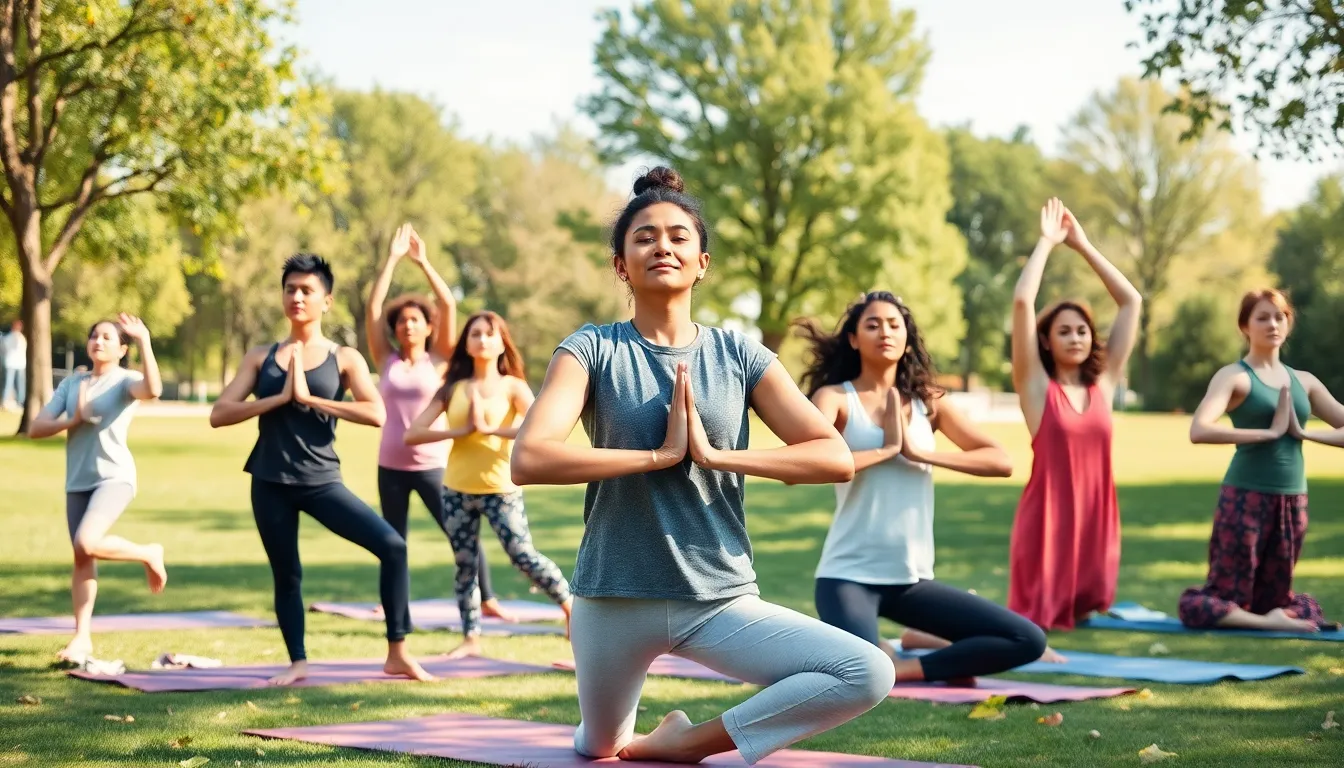
Fitness offers substantial benefits for mental health. Regular exercise enhances mood and promotes overall well-being.
Enhanced Mood and Well-Being
Engaging in physical activity triggers endorphin release, leading to improved feelings of happiness. Various forms of exercise, such as running or participating in dance classes, inspire joy and relaxation. Increased serotonin levels from consistent workouts contribute to a more stable emotional state. Individuals who prioritize enjoyable activities find it easier to maintain their routines. Group fitness sessions also promote social interaction, bolstering one’s mood further. Research shows that exercising outdoors can amplify these positive effects, connecting individuals with nature and enhancing emotional wellness.
Stress Reduction Techniques
Exercise serves as a powerful stress relief method. Incorporating mindfulness into routines, like focusing on breath during yoga or meditation, elevates tranquility. Activities like tai chi promote relaxation while improving physical health. Additionally, low-intensity exercises allow for stress relief without overwhelming the individual. Exploring options such as walking or cycling enables individuals to integrate fitness naturally into their daily lives. Prioritizing group classes often leads to social support crucial for enhancing the overall calming experience. Adopting these techniques can effectively lower stress and anxiety levels.
Exercise Types That Promote Calmness
Fitness activities significantly contribute to achieving calmness and reducing stress. Various exercise types, such as yoga and aerobic workouts, offer unique benefits that enhance mental well-being.
Yoga and Mindfulness Practices
Yoga integrates physical movement with breath awareness and mindfulness. Participants experience relaxation as they focus on poses while calming their mind. Research shows that yoga reduces anxiety and depression, promoting emotional stability. Practicing mindfulness alongside yoga amplifies these benefits. Techniques like meditation and breath control foster a deeper sense of tranquility. Individuals often report improved mood and clarity after regular sessions, highlighting the effectiveness of this approach in achieving calmness.
Aerobic Exercise Benefits
Aerobic exercises include activities such as running, swimming, and cycling. These workouts elevate heart rate and increase endorphin release, resulting in enhanced mood. Individuals who engage in consistent aerobic activities experience lower stress levels, leading to a more peaceful mindset. Studies indicate that even moderate-intensity workouts, like brisk walking, yield significant mental health benefits. Socializing with others during group aerobics amplifies the calming effects, as camaraderie supports emotional resilience. Engaging regularly in aerobic fitness builds long-term calmness and well-being.
Building a Fitness Routine for Calmness
Creating a fitness routine that promotes calmness involves thoughtful planning and enjoyable activities. Individuals experience greater benefits when fitness aligns with personal enjoyment and obtainable targets.
Setting Realistic Goals
Establishing attainable goals is crucial for maintaining motivation. Individuals often find that starting with small, manageable objectives enhances adherence to their fitness journey. For example, committing to 20 minutes of walking three times a week sets a solid foundation for future growth. Progress should feel rewarding; therefore, it’s beneficial to celebrate small achievements along the way. Tracking improvements fosters a sense of accomplishment and encourages continued effort.
Incorporating Variety and Enjoyment
Integrating different forms of exercise can prevent monotony and enhance enjoyment. Activities such as swimming, dancing, or joining group classes provide dynamic experiences. Exploring new workouts keeps individuals engaged and excited about their fitness routine. Many find that including outdoor exercises like hiking or cycling connects them with nature, further boosting their mood. Creating a schedule that features a mix of activities helps sustain interest and promotes overall well-being. Enjoying the process makes it easier to stick with long-term fitness plans.
Embracing fitness as a pathway to calmness can profoundly impact one’s mental well-being. By incorporating enjoyable activities and mindful practices into daily routines, individuals can create a sanctuary of peace amidst life’s demands. The release of endorphins during exercise not only uplifts mood but also cultivates resilience against stress.
Finding joy in movement—whether through yoga, dance, or outdoor adventures—can transform fitness into a source of tranquility. Additionally, the social connections formed in group classes enhance the overall experience, providing vital support. As individuals prioritize their fitness journeys, they unlock the potential for sustained calmness and emotional stability.